Accepted variation
Include the acceptable changes in part, adhesive appearance and presentation that normal production produces. Explain why each sample remains acceptable.
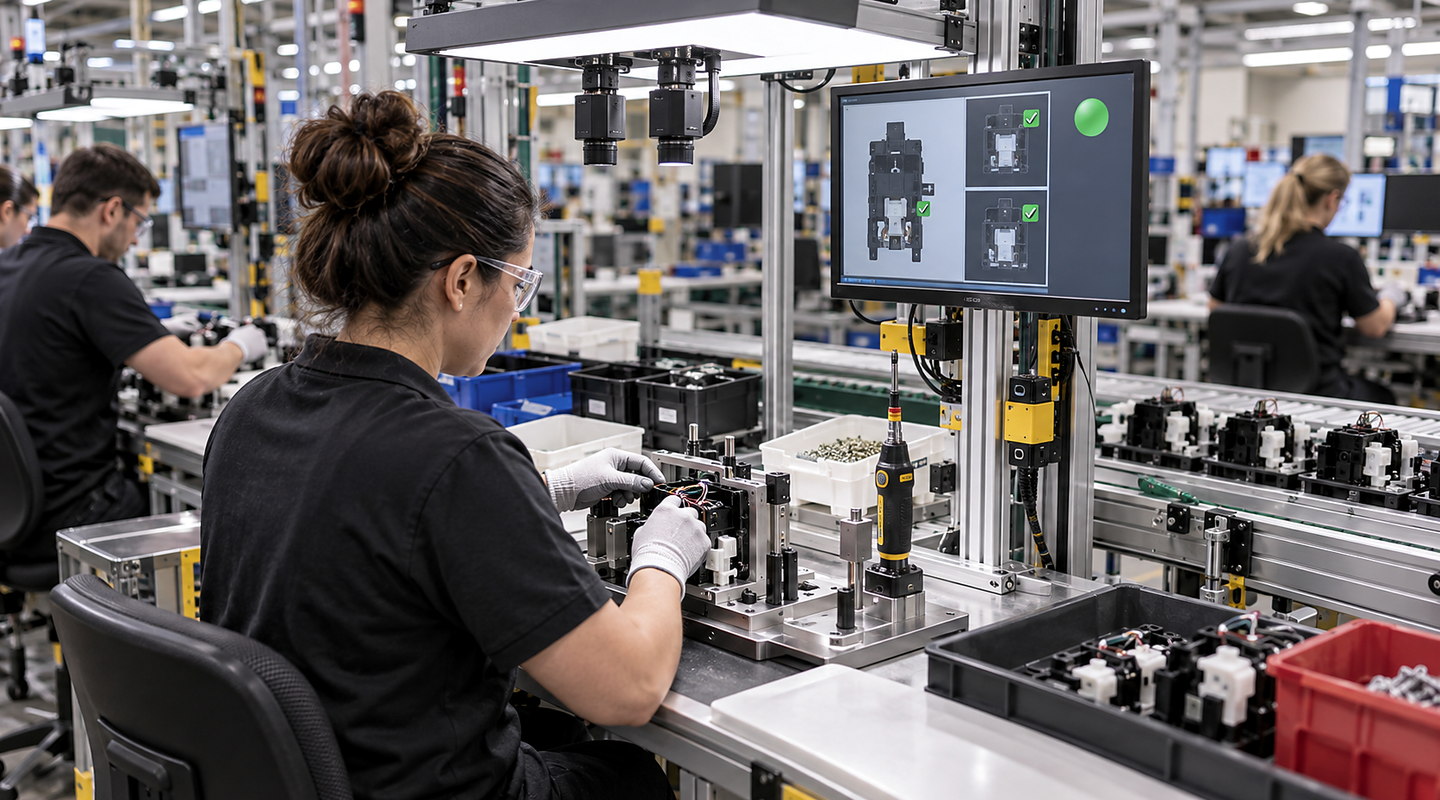
Prepare good, bad and marginal adhesive bead samples for optics and lighting trials, including appearance variation, part presentation and timing.
A useful optical trial includes accepted beads, clear failures and marginal samples near the agreed decision boundary. Include normal part and adhesive appearance variation, not only one clean nominal part.
Record the intended judgement and sample condition. Trial the proposed view and lighting under realistic presentation and timing before treating an attractive image as reliable inspection evidence.
Glossy or wet-looking beads and changing backgrounds can affect the image. Use the real parts and bead conditions to establish whether continuity, width and position can be assessed consistently in the intended setup.
Discuss your application

Include the acceptable changes in part, adhesive appearance and presentation that normal production produces. Explain why each sample remains acceptable.
Provide obvious gaps, offset or excess where relevant, plus borderline examples. Agree expected judgements with the person responsible for product quality.
Record the part revision, sample condition, view, lighting, timing and decision. Keep visibility limits and unresolved samples in the findings.
Show normal acceptable appearance and bead-path variation across the intended part range.
Supply relevant clear defects such as gaps, offset, excess or unacceptable width, with the failure reason recorded.
Include examples near each agreed limit. Retain their expected judgement and flag uncertainty for review.
Include glossy/wet bead appearance and the relevant background variation. Establish suitable contrast through the optical trial.
Show realistic part location and the time available for a usable image. Identify any variation between variants or after a restart.
Compare decisions with the agreed labels and record exceptions. A sample trial is evidence for its tested conditions, not a blanket performance claim.